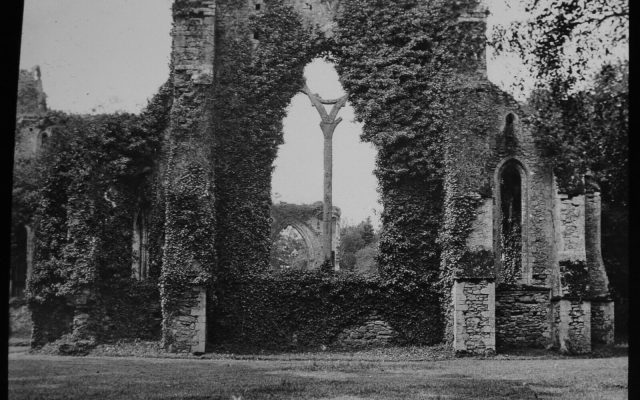
If you’ve explored the grounds at Netley Abbey, you might have heard whispers about “secret tunnels” beneath the ruins. And yes, there is a tunnel – but before your imagination runs wild with tales of monks fleeing persecution or hidden treasure chambers, let me tell you what it actually was: a medieval sewer.
I know. Not quite as romantic.
What the Tunnel Actually Did
The tunnel at Netley Abbey was part of a sophisticated drainage system that carried waste water away from the abbey. Fed by ponds to the north, this carefully engineered channel directed human waste safely away from the monastic buildings – a crucial piece of infrastructure for a community of dozens of monks living in close quarters.
The Cistercians were renowned across medieval Europe for their water engineering skills. While other orders might have focused purely on spiritual matters, the Cistercians understood that clean water and proper sanitation were essential for both health and the contemplative life. They built elaborate systems of channels, drains, and settling ponds at their abbeys throughout Britain.
This wasn’t just practical – it was cutting-edge technology for the 12th century.
A Royal Connection (Sort Of)
When the abbey was converted into a Tudor mansion after the Dissolution, the drainage system continued serving its purpose. Which means that during her visit to Netley, Queen Elizabeth I would have made use of facilities that ultimately drained through this very tunnel.
Not the kind of historical detail that makes it into the official portraits, but remarkably human nonetheless.
The “Blocked Tunnel” Mystery
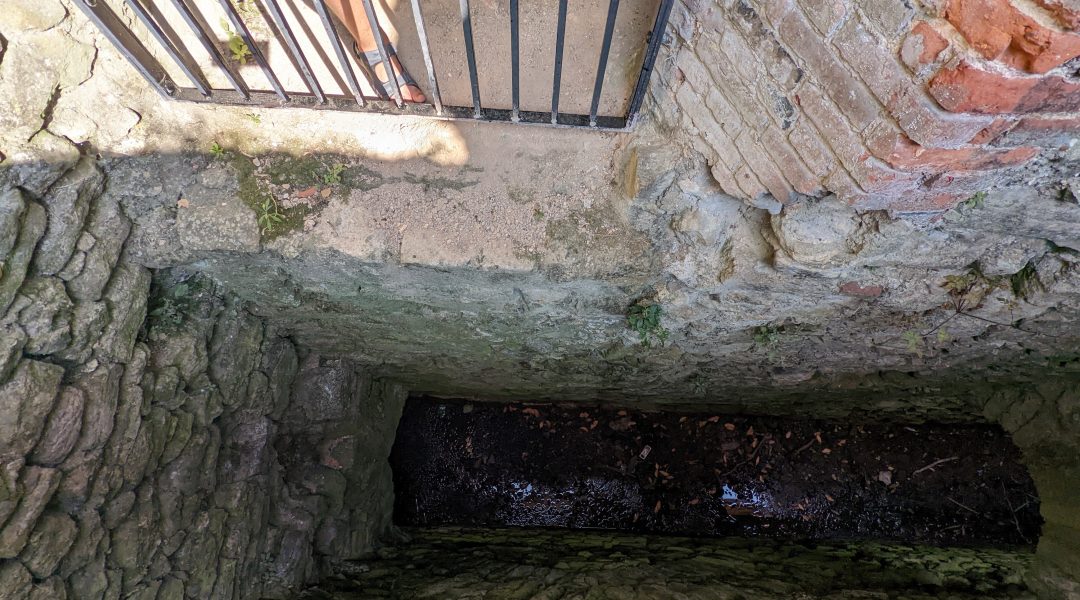
If you were to walk through the tunnel today (please don’t) you’ll notice archways along the walls. This is where the folklore really kicks in – many visitors assume these are blocked-up secret passages leading to… well, somewhere mysterious. Hidden chambers. Escape routes. Smugglers’ dens.
The reality is far more mundane: these are load-bearing arches. The tunnel runs directly beneath the massive stone walls of the abbey church and claustral buildings. Those arches aren’t concealing anything – they’re structural supports preventing the entire wall of the abbey above from collapsing under thousands of tons of medieval masonry.
Good engineering, not conspiracy.
The Secret Tunnel Phenomenon
Netley Abbey isn’t unique in having secret tunnel legends. Nearly every old building in Britain has stories about hidden passages:
- Castles with tunnels to the next village (usually miles away)
- Churches with priest holes connecting to manor houses
- Pubs with smugglers’ routes to the beach
The pattern is always the same: old building + drainage culvert or cellar = local legend about secret tunnels.
Why are we so drawn to these stories? Perhaps because a utilitarian drain carrying sewage isn’t nearly as exciting as imagining monks escaping through torchlit passages. Secret tunnels suggest intrigue, danger, romance – all the things that make history feel alive rather than simply functional.
But here’s the thing: the actual story of medieval water engineering is genuinely impressive. The Cistercians didn’t just dig a ditch – they created gravity-fed systems with settling ponds, overflow channels, and carefully calculated gradients. They understood hydrology and civil engineering centuries before these became formal disciplines.
What You Can See Today
The tunnel at Netley Abbey still exists beneath the ruins, but it’s not accessible to visitors – and for good reason. It sits some 20-30 feet below ground level and exploring it would be genuinely dangerous. While some adventurous souls have ventured down over the years, the risks far outweigh any discoveries you’d make.
You can, however, see the entrance to the drainage system from the reredorter (the monks’ latrine block). It’s visible behind protective railings that prevent visitors from taking an unplanned tumble into medieval plumbing. Stand there and look down into that dark opening, and you’re seeing the same engineering that served the abbey for centuries.
Those arches supporting the tunnel? They’re still down there, doing their job after 800 years. Not hiding secrets – just quietly proving that medieval builders knew exactly what they were doing.
And that drainage system they built? Parts of it functioned for over 400 years.
That’s the real story worth telling.